
A Device for Detecting Sleep Apnea in People with Epilepsy Has Emerged
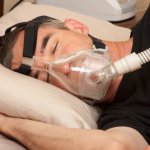
Researchers from Rutgers University have developed a device aimed at helping neurologists identify obstructive sleep apnea syndrome in people with epilepsy, whose seizures may be exacerbated by sleep disturbances. They published the results of their study in the scientific journal Neurology Clinical Practice.
Despite the fact that detecting and treating sleep apnea can help control seizures of epilepsy, doctors do not often check such patients for relevant risk factors. The scientists developed a special device that integrates into a person's electronic medical record, which will alert neurologists to the need to check a specific patient for sleep disturbances.
Based on the results of such an examination, treatment may be conducted that will lead to improved control over seizures of epilepsy, reduce the need for anticonvulsant medications, and decrease the risk of sudden death in epilepsy.
Obstructive sleep apnea occurs when breathing is interrupted during sleep. According to specialists, nearly 40% of people living with epilepsy experience sleep apnea, which prevents doctors from adequately controlling the severity and frequency of seizures.
“Sleep disturbances are quite common among epileptics and often remain undiagnosed,” says the lead author of the study, Martha Malvi, a staff member of the neurology department at the university hospital. “Sleep and epilepsy are closely interconnected. Seizures often occur due to low oxygen levels observed due to breathing stops during sleep. Therefore, sleep deprivation and interruptions can contribute to increased seizure frequency.”
 Researchers developed an assessment system for identifying obstructive sleep apnea syndrome, which includes twelve risk factors and integrates into a person's electronic medical record. If a patient is found to have at least two of them, they are referred for a sleep study. Among the risk factors considered are: a body mass index above 30 kg/m2, snoring, difficulty breathing during sleep, unexplained awakenings during the night, morning headaches, dry mouth, sore throat or feeling of tightness in the chest upon waking, frequent urination at night, worsening memory and concentration, neck circumference greater than 18 cm, frequent daytime sleepiness, jaw displacement backward, and assessment of the distance from the base of the tongue to the palate.
“We found that our alert device significantly increased the detection rate among patients at risk for epilepsy who need to be checked for sleep disturbances,” says one of the study authors, a professor of neurology at the New Jersey Medical School. “Such screening can help with early detection and timely treatment, which in turn will improve the quality of life for patients with epilepsy and obstructive sleep apnea.”
Among epilepsy patients who were sent for a sleep study thanks to the new device, 56% were diagnosed with sleep apnea.