
A New Type of Cancer Radiotherapy Developed in Israel
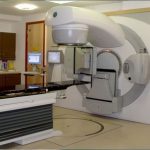
The Israeli medical technology company Alpha Tau Medical has developed a new – effective and safe – type of radiation therapy for cancer. The innovative technology is based on the local impact of alpha particles on the tumor, which effectively destroy malignant cells without harming healthy tissues. The new method, called "Diffuse Alpha-Emitting Radiation Therapy" (DaRT), is expected to significantly expand treatment options for various types of solid tumors, primarily cancers of the head and neck.
Traditional cancer radiation therapy involves the use of gamma radiation, which is produced during the decay of an atom. By altering the DNA structure of cancer cells, it effectively destroys them, but it also has a detrimental effect on healthy tissues, which can lead to the development of several serious diseases. The ability of gamma rays to penetrate almost any material only increases its dangerous impact on the human body.
Meanwhile, during radioactive decay, two other types of radiation – beta and alpha radiation – are also released. The latter destroys cancer cells with the same effectiveness as gamma particles by embedding itself in their DNA and altering its structure; however, it has not been used in tumor radiotherapy before due to its short range of action – alpha particles are released over a distance of only a few millimeters. For this reason, they are also easy to shield against.
The Israeli company Alpha Tau Medical has found a way to solve this problem. They utilized a development from scientists at the physics and medical faculties of Tel Aviv University, who proposed placing a radioactive source in a miniature needle made of titanium and coated with radium-224. By embedding directly into the tumor tissue, the radioactive needle ensures high-precision delivery of destructive alpha particles to its cells. Just a few direct hits to the nucleus of a malignant cell are sufficient for complete destruction. At the same time, the soft-range alpha particles only affect the tumor focus, causing no harm to surrounding healthy tissues.
The diffuse alpha-emitting radiation therapy developed by Israelis has become the first method for treating solid tumors based on the use of alpha rays. Among its key advantages over traditional methods are the ability to safely apply high doses of radiation, the convenience of implanting the radioactive source into tumor tissues, high effectiveness regardless of the level of oxygenation of the malignant formation, rapid results, and minimal risk of side effects.
How Treatment with the New Method Works
The oncologist inserts ultra-thin needles with radium-224 seeds into the tumor focus. For this, he uses convenient applicators developed by Alpha Tau Medical, which simplify the implantation of radioactive material into defective tissues, making the process minimally invasive. Some of the applicators used allow for the simultaneous insertion of up to six needles – they have high compatibility with living tissues and can safely remain in the human body for a long time if necessary – for example, when treating tumors of internal organs.
As an unstable isotope, radium-224 gradually decays, releasing alpha particles that disrupt the DNA functioning of cancer cells, leading to their death. The effect of radiation treatment using the DaRT method becomes noticeable as early as the second to third day. However, the radioactive seeds remain in the tumor for about two weeks – during this time, they manage to deliver the maximum dose of radiation to the pathological focus. After that, they transform into completely harmless elements for humans, and no potentially dangerous radiation remains.
According to Uzi Sofer, CEO of Alpha Tau Medical, diffuse alpha-emitting radiation therapy can be performed anywhere – even outside clinical settings. "It's like visiting a dentist. The procedure is quite simple and takes on average from half an hour to two hours," he adds.
Send your records — an Ichilov physician will reply within 1–2 days, free of charge.
Successful Trials
 Last spring, the developing company conducted the first clinical trials of the new technology. Treatment was carried out according to a pre-prepared plan using computed tomography. Needles with seeds measuring one centimeter in length and 0.7 millimeters in diameter, each carrying a radiation dose of 2 microcuries, were placed six millimeters apart. The accuracy of the placement of the radioactive seeds was monitored using computed tomography.
After two to four weeks following the implantation, the seeds were extracted, and a month and a half after therapy, each participant underwent a computed tomography examination to assess the treatment's effectiveness. A total of 15 individuals aged 66 to 94 participated in the trial. Six of them were diagnosed with squamous cell carcinoma of the oral cavity, while the other nine had an aggressive form of skin cancer. All subjects responded to the DaRT treatment: eleven completely, four partially.
Sara Janert, head of marketing and communications at Alpha Tau Medical, notes that during the clinical trial of the new radiotherapy method, no side effects were observed in patients. "But even more importantly," she continues, "the destruction of cancer cells using diffuse alpha-emitting radiation therapy contributes to the formation of specific antigens for the particular type of tumor, making cancer cells visible and vulnerable to the immune system. This effect significantly reduces the risk of disease recurrence after treatment. If a relapse occurs, the immune system of the patient, who has already undergone DaRT therapy, will be able to recognize and defeat the 'enemy' on its own."
As an example, Uzi Sofer cited the story of a woman who underwent oncotherapy using the new method at a cancer research and treatment institute in one of the cities in Italy. She had a recurring tumor in her right leg, which completely disappeared a month after treatment. But the most encouraging and inspiring news for the doctors was that two tumor foci in her left leg, which they intended to treat in four weeks, also disappeared. This is known as the abscopal effect, which is quite rare – when radiation treatment of one tumor leads to the destruction of others, often secondary cancer foci that have formed as metastases from the first.
"We already have irrefutable evidence of the effectiveness of the DaRT method in treating squamous cell carcinomas. Additionally, protocols for treating other types of solid tumors using our technology are currently being developed in various countries," says Uzi Sofer. He also notes that the company has launched a series of trials of the new technique among patients with breast and prostate cancer, kidney cancer, vulvar cancer, and others.
In 20 out of 27 patients with squamous cell cancer of the head, neck, and skin, remission was established after treatment with diffuse alpha-emitting radiation therapy.
"We believe and hope that next year our technology will receive approval from the relevant authorities for use in Europe, and shortly thereafter in the USA and Japan, with a clearly defined plan for each country," says Uzi Sofer. "We believe that the method of radiation treatment we have developed will be a true breakthrough in oncology."