
Radiation Treatment for Prostate Cancer Without Side Effects: New Method Available in Israel
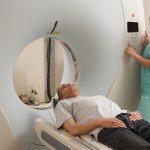
In Israel, an innovative biodegradable gel has begun to be used in radiation therapy for prostate tumors. It significantly reduces the negative impact of radiation on healthy organs and increases treatment effectiveness. The emergence of this revolutionary medical product is particularly significant for patients at high risk of complications after radiation exposure.
Prostate cancer is the second most common type of oncology among the male population – today, around six million people worldwide live with this diagnosis. The insidiousness of the disease lies in its asymptomatic course – most patients show the first signs only in the late stages. This makes prostate tumors one of the leading causes of death among men over 50.
Factors that increase the risk of developing the disease primarily include hereditary predisposition. It is known that men whose close relatives (father, brother, uncle) have had prostate cancer are several times more likely to face this diagnosis. Among other unfavorable factors, doctors cite the abuse of products rich in saturated fats and hormonal disorders.
 According to statistics, more than two thousand new cases of prostate cancer are registered annually in Israel, the overwhelming majority of which are in men over 65. At the same time, as reported by the country's Ministry of Health, the five-year survival rate for this type of cancer has increased in recent years – from 92.5% to 95.6%.
Such inspiring results are attributed not only to the implementation of national screening programs that allow for earlier detection of the disease but also to the use of the latest treatment schemes and methods by Israeli clinics. One of these is radiation therapy using innovative hydrogel.
The Gel Protects Against Negative Effects of Radiation
In the fight against malignant prostate tumors, radiotherapy remains one of the most commonly used treatment methods. It is particularly effective for locally advanced cancer – when the neoplasm has spread beyond its capsule but has not yet given distant metastases. In this case, as well as in the early stages of the disease, it can destroy up to 60% of such tumors. Moreover, radiation treatment has several advantages over surgical intervention and hormonal therapy.
However, this method, like others, has its drawbacks, the main one being the relatively high risk of complications associated with radiation exposure to healthy organs adjacent to the prostate, primarily the intestines and bladder. There is evidence that aggressive radiation exposure can lead to the development of colorectal cancer.
Current techniques and modern radiotherapy devices, unfortunately, cannot fully protect healthy tissues from ionizing radiation, ensuring its effect exclusively on the tumor mass. However, this problem is effectively addressed by the innovative biodegradable gel SpaceOAR. Its use reduces the risk of immediate and delayed side effects in men with prostate tumors undergoing radiation therapy.
Send your records — an Ichilov physician will reply within 1–2 days, free of charge.
Ease of Use
The hydrogel is injected into the space between the prostate and the intestine using a special needle under ultrasound control before the treatment begins. Within a few minutes, it hardens, creating a protective barrier between the cancer-affected gland and the neighboring organs, reducing the negative impact of radiation on healthy tissues. After 3–5 months, the gel material dissolves on its own and is naturally expelled from the body during urination.
The SpaceOAR gel is a unique medical product that not only reduces the likelihood of side effects from the intestines after a course of radiation therapy but also decreases the risk of other unpleasant consequences, including urinary incontinence and erectile dysfunction.
Another significant advantage of the hydrogel is that its use allows doctors to safely increase the radiation dose for the patient, thereby enhancing treatment effectiveness – for example, in high-risk prostate cancer. The likelihood of adverse effects from ionizing radiation on the intestines and bladder is reduced, as is the number of required fractions, thus shortening the overall duration of radiation therapy.
Proven Effectiveness and Safety
The introduction of the gel to the medical market was preceded by a series of clinical trials in America and Europe. Their results showed that patients with prostate cancer who underwent radiation therapy using the biogel experienced negative intestinal side effects 66% less frequently compared to those who received conventional radiation therapy. Additionally, only a small portion of them reported rectal pain during the radiation sessions.
A similar rate of side effects was recorded from the urinary system. Those adverse reactions that did occur over time were much less severe and easily manageable. The trials also demonstrated that about 80% of men after tumor radiation with SpaceOAR protection were able to maintain sexual function.
Reducing Risk with Genetic Mutations
 One of the first patients to undergo radiation therapy using the innovative hydrogel was an 80-year-old resident of Haifa with high-risk prostate cancer. To combat the tumor, radiation needed to be applied not only to the prostate but also to the entire pelvic area, where cancer cells could spread.
However, the man was found to carry a specific type of genetic mutations that increase the risk of developing bowel cancer. Radiation exposure would likely lead to the formation of colorectal tumors in him. To reduce this risk, before starting treatment, doctors used the SpaceOAR gel, which successfully fulfilled its function, protecting the patient's intestines from radiation.
This case demonstrated the particular importance of using hydrogel in patients with an increased risk of colorectal cancer, as well as those indicated for high-dose radiation therapy, which is characterized by a high likelihood of irradiating healthy tissues.