
Revolutionary Stem Cell Implant May Restore Vision to Millions
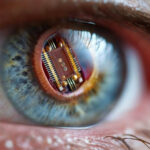
American researchers have begun a large-scale clinical trial that could change the lives of millions of people suffering from age-related macular degeneration – the leading cause of blindness in older adults. For the first time in the history of ophthalmology, scientists are not just slowing the progression of the disease but are attempting to restore already lost vision using bioengineered stem cells.
Breakthrough Research
The USC Roski Eye Institute has launched a phase 2b clinical trial that could be a turning point in the treatment of advanced cases of dry age-related macular degeneration. A team of researchers led by Dr. Sun Young Lee is studying a revolutionary therapy: the implantation of bioengineered stem cells capable of replacing the damaged tissues of the retina caused by the disease.
“We hope to determine whether the stem cell-based retinal implant can not only stop the progression of dry age-related macular degeneration but also improve patients' vision,” explains Dr. Lee, a retinal surgeon and the principal investigator of the project. “The results could be groundbreaking, as while there are several treatments that slow the progression of macular degeneration, none can reverse the damage that has already occurred.”
These words sound particularly promising considering the results of early studies conducted by the same team on a small group of patients. The initial trials showed not only the safety of the method but also encouraging efficacy: 27% of participants experienced real improvements in vision.
Send your records — an Ichilov physician will reply within 1–2 days, free of charge.
How the Future Retinal Implant Works
The technology used in the study sounds like science fiction but is based on advanced achievements in regenerative medicine. Researchers take embryonic stem cells and grow retinal pigment epithelium (RPE) cells in laboratory conditions – the very cells that are destroyed in macular degeneration.
RPE cells form a protective layer lining the macula and play a critical role in maintaining the health of photoreceptors – light-sensitive cells that convert light into nerve impulses. When RPE cells die or are damaged, photoreceptors also begin to deteriorate, leading to the loss of central vision.
The lab-grown cells are attached to a unique bioengineered implant – an ultra-thin patch that is thinner than a human hair. This delicate structure holds the cells in the correct position and allows them to integrate into the retinal tissues.
The implantation procedure itself is performed on an outpatient basis, meaning the patient does not require prolonged hospitalization. Ophthalmic surgeons precisely insert the implant into the retina, where it is expected to take hold and begin performing the functions of the lost cells.
“The study will examine whether the lab-created implant can replace damaged cells, function like normal retinal pigment epithelium cells, and improve vision in patients who currently have no other options for improvement,” explains Dr. Rodrigo Antonio Brant Fernandez, an ophthalmologist and member of the research team.
The Path from Initial Experiments to Large-Scale Research
The current phase 2b study is a logical continuation of the encouraging results from earlier clinical trials. Initial experiments on a small group of patients demonstrated three key points: the implant is well tolerated by the body, securely attaches to the structures of the eye, and successfully integrates into the retinal tissues. But most importantly, nearly one-third of patients showed improvements in visual functions.
These preliminary data have instilled hope in the scientific community. Dr. Lee notes, “Early in the clinical trials, it was shown that the treatment is safe and potentially can improve patients' vision; the next phase will investigate whether the therapy can lead to clinically significant improvements in vision.”
Now the researchers' task is to confirm these results on a larger sample and determine how substantial the restoration of vision can be. This is not just about statistically significant changes but about real improvements in patients' quality of life.
Details of the Large-Scale Clinical Study
Keck Medicine of USC has become one of five specialized medical centers across the country selected to conduct this crucial study. The selection of a limited number of centers is due to the complexity of the procedure and the need for highly qualified retinal surgeons.
The study is organized using a double-blind method: some participants will receive the real stem cell implant, while others will undergo a placebo implant procedure. This approach allows for the most objective assessment of the therapy's effectiveness, eliminating the influence of the placebo effect and researcher bias.
Eligible participants are patients aged 55 to 90 years suffering from advanced dry age-related macular degeneration with a diagnosis of geographic atrophy. Geographic atrophy is an advanced stage of the disease characterized by extensive damage or complete loss of retinal pigment epithelium cells over significant areas of the macula.
Each participant will be monitored by doctors for at least one year after the procedure. During this period, researchers will track how the body responds to the implant, whether rejection occurs, if side effects develop, and most importantly – what changes occur in patients' vision.
If the results are successful, this will open a new era in the treatment of blindness and severe vision impairments. The technology of replacing damaged retinal cells with bioengineered analogs could also be adapted for other degenerative eye diseases.