
Israeli Ophthalmologist Restores Vision for Family with Rare Genetic Disorder
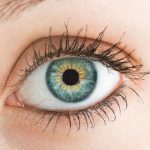
A woman and her two sons, the youngest of whom is only five years old, faced complete blindness due to pathological lens displacement caused by a rare genetic disorder. A renowned Israeli ophthalmologist, skilled in the latest microsurgical techniques, was able to resolve the issue, restoring normal vision for all three.
 The mother and her two sons were diagnosed with Marfan syndrome. This is a rare genetic condition that disrupts the synthesis of fibrillin, an important structural protein that provides elasticity and contractility to connective tissue. This leads to skeletal deformities, joint issues, heart and vascular problems, as well as eye complications. The latter particularly affected the Israeli family. The woman nearly went blind, and her sons had to wear glasses with very thick lenses just to see anything. The youngest had a vision of minus twenty diopters.
Some time ago, the family consulted Professor Guy Kleinman, one of the few Israeli specialists who perform surgical vision correction for genetic disorders like Marfan syndrome.
 “Vision problems in people with such a diagnosis are common,” explains the professor. “Typically, it involves lens subluxation, in other words, displacement. This occurs due to the weakening of the so-called zonular fibers, which consist of many thin threads made from glycoprotein fibers. The tension of these fibers determines the shape and refractive power of the biological lens.” According to him, the doctor uses the latest surgical techniques to return the lens to its rightful position with subsequent fixation.
First, the mother underwent surgery, after which her vision significantly improved. Then the professor operated on her older son, who also began to see much better. Six months ago, the doctor headed the ophthalmology department, where the woman sought to restore the vision of her youngest child, who had just turned five.
“During the procedure, I return the displaced lens to its place and then reconstruct the missing fibers that subsequently support it in the correct position, preventing it from shifting,” says Professor Kleinman. “Without false modesty, I take pride in the result. Knowing that a five-year-old child, who previously had to wear glasses with minus twenty diopters, can now see well without them is a great joy.”