
A New Study Shows Unexpected Benefits of Telemedicine Services
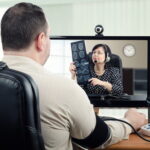
A study published in the Aesthetic Surgery Journal highlights the unexpected advantages of telemedicine during the pandemic and provides insight into what this may mean for the future of medicine as a whole.
“Before COVID-19, it was unclear whether telemedicine would meet the standard of care in specialized clinical practice. But a precedent occurred, and we were forced to innovate quickly. And we found that it actually worked well,” says Alan Kramer, assistant vice president for healthcare system development strategies at the Southwestern Medical Center and co-author of the study.
The Southwestern Medical Center of the University of Texas was already equipped with telemedicine technology when COVID-19 broke out, but only as a small pilot program. Thanks to incredible collective efforts, telemedicine was rolled out across the institution in a matter of days, bringing several unexpected benefits for both the medical center and patients.
“The conversion rate to telemedicine is higher than in-person visits,” says Bardia Amirlak, MD, associate professor of plastic surgery and senior author of the study. The study showed that 25,197 out of 34,706 telemedicine sessions at the institution were completed in April 2020, which is 72.6 percent, compared to 65.8 percent of in-person visits in April 2019.
The study notes a significant increase in the number of new patients being seen via telemedicine starting in March 2020. This was the result of a combination of relaxed regulations and increased comfort levels with telemedicine visits among both physicians and patients. At the Southwestern Medical Center of the University of Texas, the percentage of new patients who underwent telemedicine sessions increased from 0.77 percent in February to 14.2 percent and 16.7 percent in March and April, respectively.
Even in a niche field like plastic surgery, the implementation of telemedicine has been incredibly successful, demonstrating applicability to a wide range of practices.
From April to mid-May, the Department of Plastic Surgery conducted 340 telemedicine sessions in areas such as breast cancer reconstruction, hand surgery, and wound care. Similarly, there was also a significant influx of new patients in plastic surgery, accounting for 41 percent of telemedicine consultations.
“There were concerns that the platform would not be able to handle certain issues: privacy, insurance, abuse of power… but everything worked out well, and we were able to grow to thousands, and we not only reduced patient anxiety but also increased many beneficial factors, such as service accessibility for patients,” says Amirlak.
The study reports several benefits of telemedicine for patients, including reduced stress, missed appointments, hospital visits, travel time, and pathogen exposure, as well as improved access to healthcare with the ability to consult beyond the patient’s residence.
“Patient feedback has been very positive,” says Kramer. “We currently maintain virtual practice for 25 percent of our practice, which is a significant win for our patients. What has happened has completely changed our perception of healthcare.” According to him, it is still unknown whether this trend will persist in the world after COVID-19. But in any case, Kramer says, it is clear that telehealth will be a valuable tool.