
Breakthrough in T-OPLL Treatment: Surgery Restores Patients' Lives
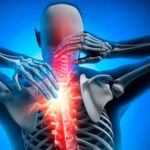
Researchers have found an effective way to treat a rare spinal disease in which ligaments turn into bone tissue. Surgical intervention has allowed patients with thoracic ossification of the posterior longitudinal ligament (T-OPLL) to relieve pain, improve mobility, and return to their normal lives. This is reported in The Journal of Bone & Joint Surgery.
Effectiveness of Surgical Treatment for Thoracic Ossification of the Posterior Longitudinal Ligament
Thoracic ossification of the posterior longitudinal ligament (T-OPLL) is a rare spinal disease characterized by pathological bone tissue growth that compresses the spinal cord and nerve roots. T-OPLL most commonly affects the cervical spine; however, thoracic localization, although less frequent, often leads to severe neurological disorders.
A combined surgical approach, including decompression and spinal fixation, is considered the most effective method for treating T-OPLL. However, the long-term results of such surgery have not been fully studied.
The aim of the study was to evaluate the long-term outcomes of surgical treatment for T-OPLL in patients who underwent surgery between 2001 and 2014. The study involved 51 patients with an average age of 51.6 years. All patients were operated on and were monitored for at least 10 years.
Send your records — an Ichilov physician will reply within 1–2 days, free of charge.
Long-term Stability and Improvement in Quality of Life
Surgical intervention, including decompression and spinal fixation, showed impressive long-term results in treating thoracic ossification of the posterior longitudinal ligament (T-OPLL). According to the new study, patients who underwent such surgery demonstrate significant and sustained improvement in neurological functions, reduction in pain syndrome, and enhancement of quality of life.
Analysis of data from 51 patients monitored for 10 years post-surgery revealed the following key results:
- Neurological status: the average score on the JOA scale significantly improved and remained high throughout the observation period, indicating recovery of functions and reduction of neurological deficit.
- Pain syndrome: the intensity of pain in the back and legs significantly decreased and remained low over the 10 years.
- Quality of life: patients reported significant improvement in overall quality of life, as confirmed by EQ-5D survey data.
- Structural changes: radiological examination showed a reduction in spinal deformity and stabilization of the pathological process.
Despite the positive results, some patients experienced progression of ossification and development of postoperative complications. However, according to the study authors, these complications did not have a significant negative impact on long-term treatment outcomes.
The obtained data indicate a high effectiveness of decompression and fixation in T-OPLL. This treatment method allows for long-term stabilization of the disease, significantly improves patients' quality of life, and reduces the risk of complications.